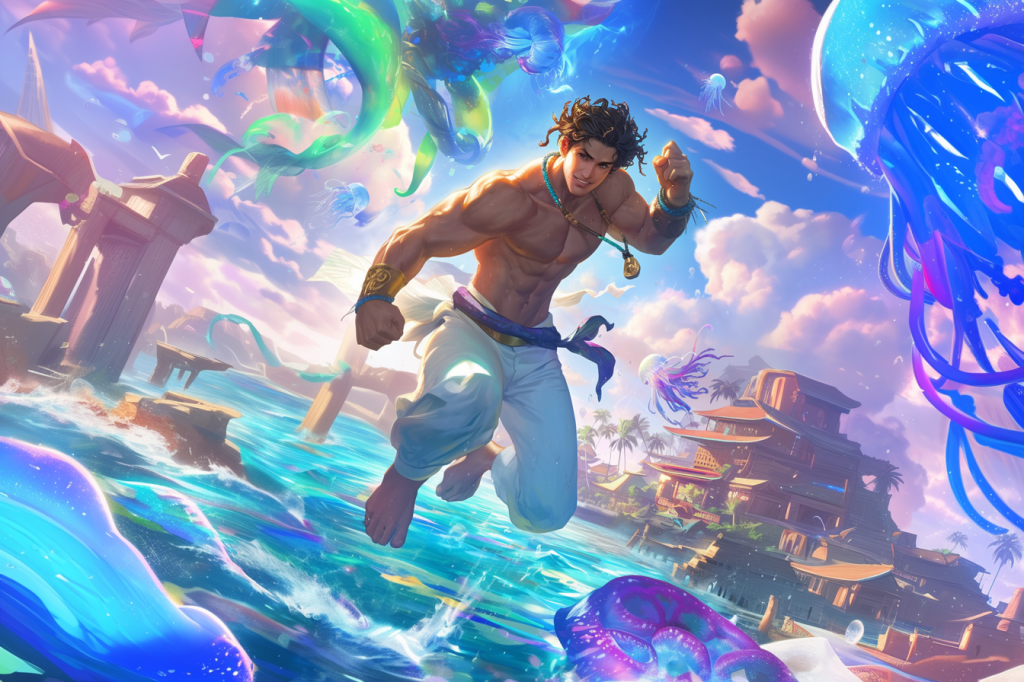
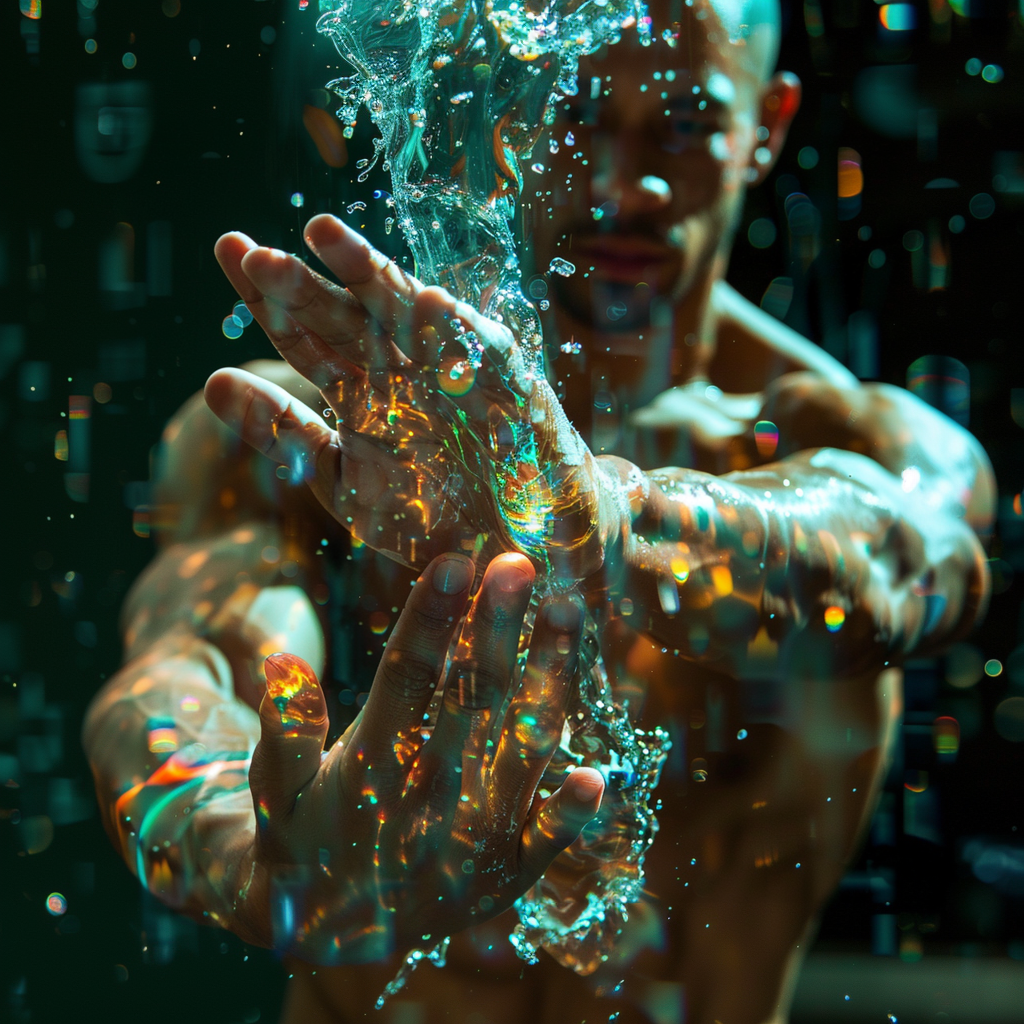
MANALAKA is the joy of being. Some call it magic, but there are no rituals or incantations. It is rather a self expression in harmony with the true nature of the world.
In Hui Polygonia, most children are innately adept at manalaka. You can find many a young parent trying to stop their children from literally flying away.
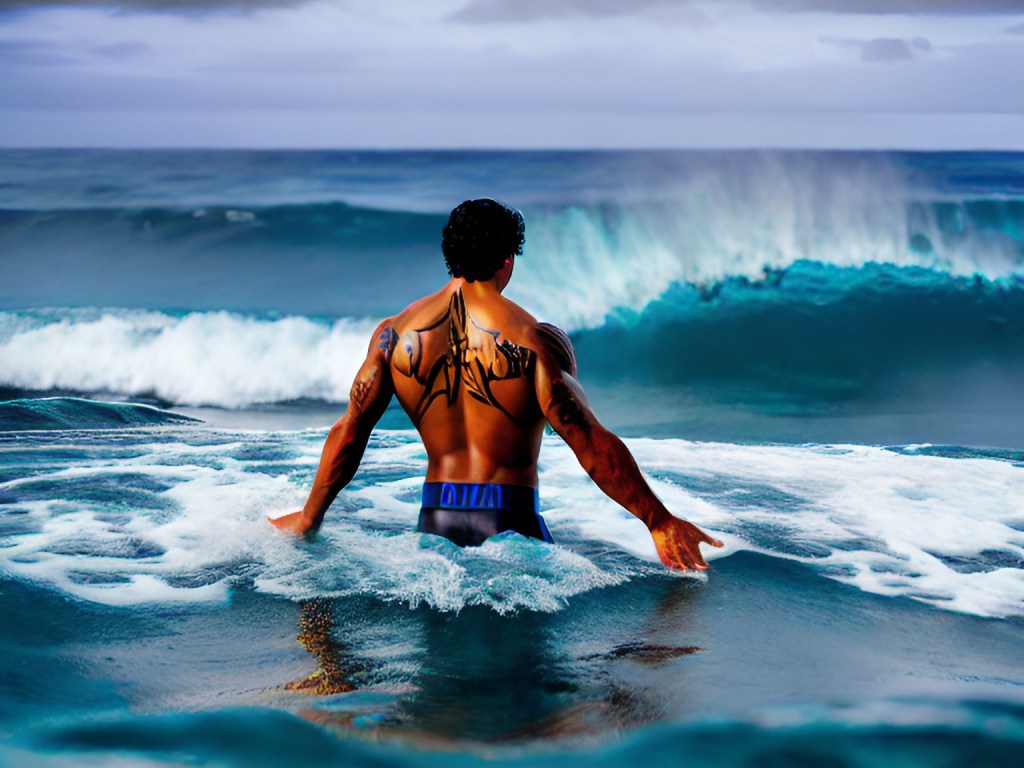
As children grow older, they are burdened by the weight of responsibilities, and so manalaka becomes more nuanced. Sometimes it takes the form of reheating a bowl of soup for your elders, or finding a treasured book lost in a disorganized pile, or staying up all night and watching the sun rise before going spear fishing.
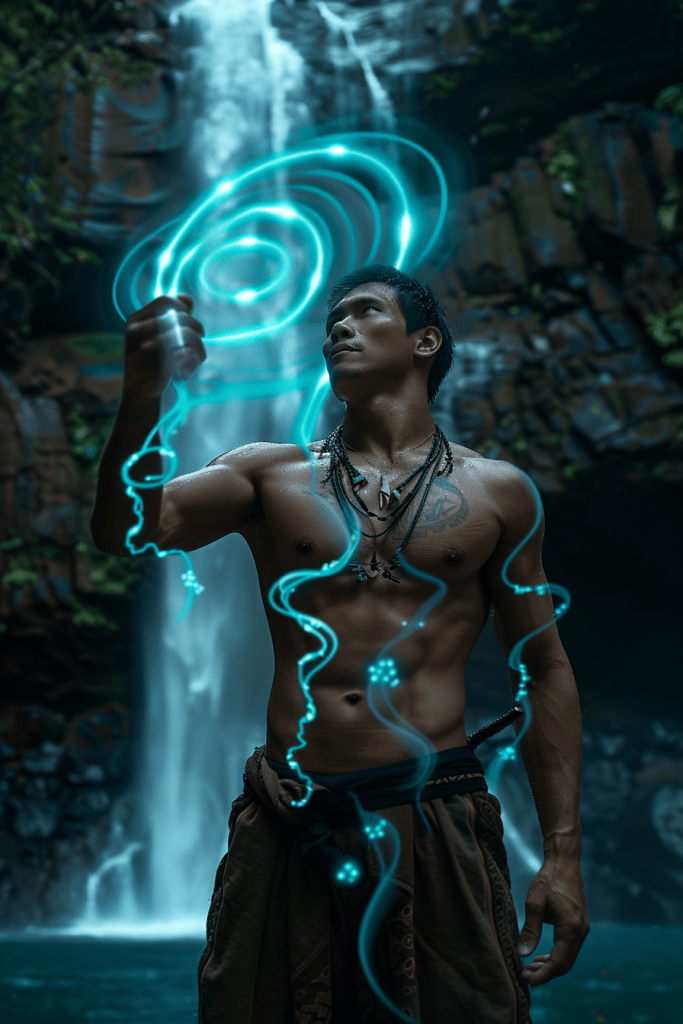
More powerful uses of manalaka are always done in groups. Broken bones and punctured organs can be restored by a group of tohunga by laying on hands. And tautai fill their outrigger sails with wind through collective chant.
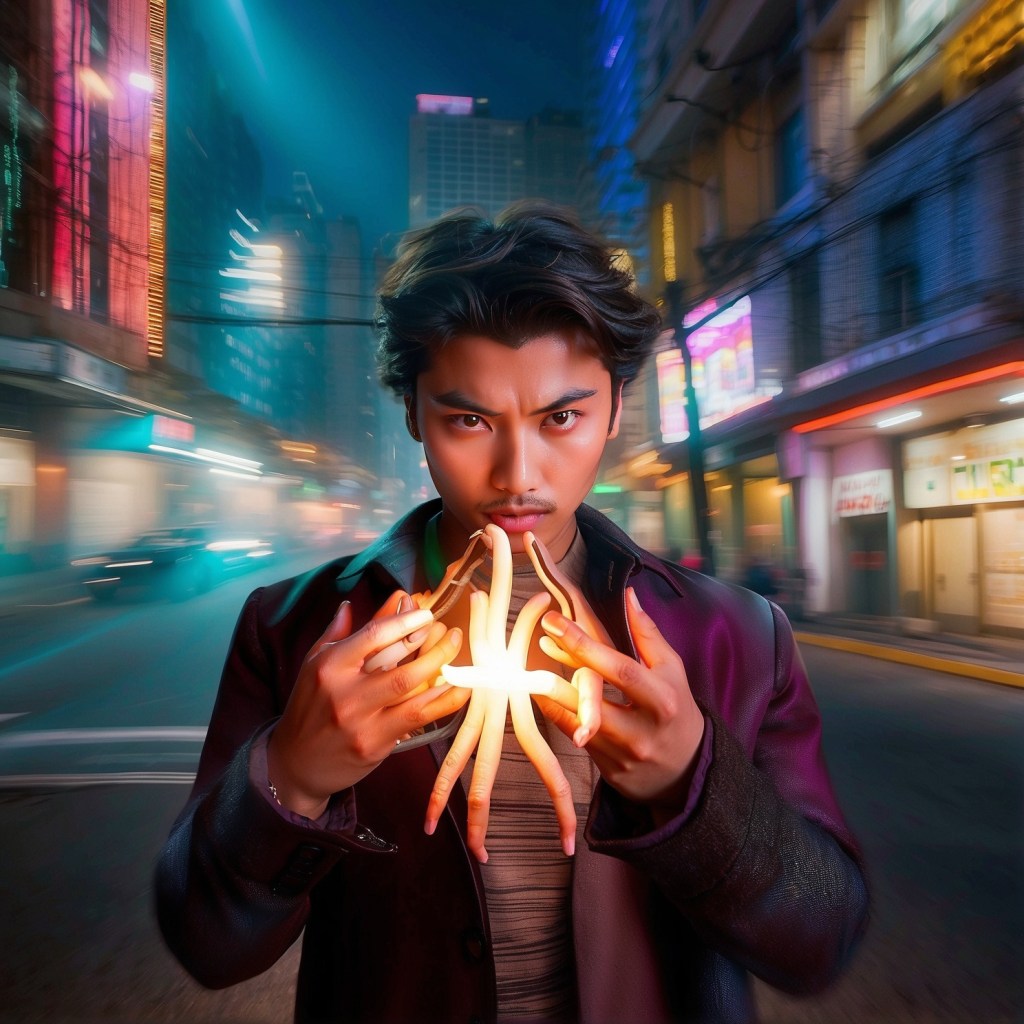
Manalaka can performed for amusement as well, and the street practitioners are infamous in both their breadth and charm.
But manalaka can’t be used for doing harm. It is too pure, too life-giving. Only a handful study tapulua, or hexcraft, and only in secret, as discovery of the practice is punishable by death. . .

 Gaze of AI
Leave a comment